new

Get trending papers in your email inbox!

Subscribe

Daily Papers

byAK and the research community

Jul 3

Oblivionis: A Lightweight Learning and Unlearning Framework for Federated Large Language Models

Large Language Models (LLMs) increasingly leverage Federated Learning (FL) to utilize private, task-specific datasets for fine-tuning while preserving data privacy. However, while federated LLM frameworks effectively enable collaborative training without raw data sharing, they critically lack built-in mechanisms for regulatory compliance like GDPR's right to be forgotten. Integrating private data heightens concerns over data quality and long-term governance, yet existing distributed training frameworks offer no principled way to selectively remove specific client contributions post-training. Due to distributed data silos, stringent privacy constraints, and the intricacies of interdependent model aggregation, federated LLM unlearning is significantly more complex than centralized LLM unlearning. To address this gap, we introduce Oblivionis, a lightweight learning and unlearning framework that enables clients to selectively remove specific private data during federated LLM training, enhancing trustworthiness and regulatory compliance. By unifying FL and unlearning as a dual optimization objective, we incorporate 6 FL and 5 unlearning algorithms for comprehensive evaluation and comparative analysis, establishing a robust pipeline for federated LLM unlearning. Extensive experiments demonstrate that Oblivionis outperforms local training, achieving a robust balance between forgetting efficacy and model utility, with cross-algorithm comparisons providing clear directions for future LLM development.

  • 10 authors
·
Nov 7, 2025

The Responsible Foundation Model Development Cheatsheet: A Review of Tools & Resources

Foundation model development attracts a rapidly expanding body of contributors, scientists, and applications. To help shape responsible development practices, we introduce the Foundation Model Development Cheatsheet: a growing collection of 250+ tools and resources spanning text, vision, and speech modalities. We draw on a large body of prior work to survey resources (e.g. software, documentation, frameworks, guides, and practical tools) that support informed data selection, processing, and understanding, precise and limitation-aware artifact documentation, efficient model training, advance awareness of the environmental impact from training, careful model evaluation of capabilities, risks, and claims, as well as responsible model release, licensing and deployment practices. We hope this curated collection of resources helps guide more responsible development. The process of curating this list, enabled us to review the AI development ecosystem, revealing what tools are critically missing, misused, or over-used in existing practices. We find that (i) tools for data sourcing, model evaluation, and monitoring are critically under-serving ethical and real-world needs, (ii) evaluations for model safety, capabilities, and environmental impact all lack reproducibility and transparency, (iii) text and particularly English-centric analyses continue to dominate over multilingual and multi-modal analyses, and (iv) evaluation of systems, rather than just models, is needed so that capabilities and impact are assessed in context.

  • 23 authors
·
Jun 24, 2024

Bold but Cautious: Unlocking the Potential of Personalized Federated Learning through Cautiously Aggressive Collaboration

Personalized federated learning (PFL) reduces the impact of non-independent and identically distributed (non-IID) data among clients by allowing each client to train a personalized model when collaborating with others. A key question in PFL is to decide which parameters of a client should be localized or shared with others. In current mainstream approaches, all layers that are sensitive to non-IID data (such as classifier layers) are generally personalized. The reasoning behind this approach is understandable, as localizing parameters that are easily influenced by non-IID data can prevent the potential negative effect of collaboration. However, we believe that this approach is too conservative for collaboration. For example, for a certain client, even if its parameters are easily influenced by non-IID data, it can still benefit by sharing these parameters with clients having similar data distribution. This observation emphasizes the importance of considering not only the sensitivity to non-IID data but also the similarity of data distribution when determining which parameters should be localized in PFL. This paper introduces a novel guideline for client collaboration in PFL. Unlike existing approaches that prohibit all collaboration of sensitive parameters, our guideline allows clients to share more parameters with others, leading to improved model performance. Additionally, we propose a new PFL method named FedCAC, which employs a quantitative metric to evaluate each parameter's sensitivity to non-IID data and carefully selects collaborators based on this evaluation. Experimental results demonstrate that FedCAC enables clients to share more parameters with others, resulting in superior performance compared to state-of-the-art methods, particularly in scenarios where clients have diverse distributions.

  • 5 authors
·
Sep 20, 2023

Anchor Sampling for Federated Learning with Partial Client Participation

Compared with full client participation, partial client participation is a more practical scenario in federated learning, but it may amplify some challenges in federated learning, such as data heterogeneity. The lack of inactive clients' updates in partial client participation makes it more likely for the model aggregation to deviate from the aggregation based on full client participation. Training with large batches on individual clients is proposed to address data heterogeneity in general, but their effectiveness under partial client participation is not clear. Motivated by these challenges, we propose to develop a novel federated learning framework, referred to as FedAMD, for partial client participation. The core idea is anchor sampling, which separates partial participants into anchor and miner groups. Each client in the anchor group aims at the local bullseye with the gradient computation using a large batch. Guided by the bullseyes, clients in the miner group steer multiple near-optimal local updates using small batches and update the global model. By integrating the results of the two groups, FedAMD is able to accelerate the training process and improve the model performance. Measured by epsilon-approximation and compared to the state-of-the-art methods, FedAMD achieves the convergence by up to O(1/epsilon) fewer communication rounds under non-convex objectives. Empirical studies on real-world datasets validate the effectiveness of FedAMD and demonstrate the superiority of the proposed algorithm: Not only does it considerably save computation and communication costs, but also the test accuracy significantly improves.

  • 6 authors
·
Jun 12, 2022

Is Open Source the Future of AI? A Data-Driven Approach

Large Language Models (LLMs) have become central in academia and industry, raising concerns about privacy, transparency, and misuse. A key issue is the trustworthiness of proprietary models, with open-sourcing often proposed as a solution. However, open-sourcing presents challenges, including potential misuse, financial disincentives, and intellectual property concerns. Proprietary models, backed by private sector resources, are better positioned for return on investment. There are also other approaches that lie somewhere on the spectrum between completely open-source and proprietary. These can largely be categorised into open-source usage limitations protected by licensing, partially open-source (open weights) models, hybrid approaches where obsolete model versions are open-sourced, while competitive versions with market value remain proprietary. Currently, discussions on where on the spectrum future models should fall on remains unbacked and mostly opinionated where industry leaders are weighing in on the discussion. In this paper, we present a data-driven approach by compiling data on open-source development of LLMs, and their contributions in terms of improvements, modifications, and methods. Our goal is to avoid supporting either extreme but rather present data that will support future discussions both by industry experts as well as policy makers. Our findings indicate that open-source contributions can enhance model performance, with trends such as reduced model size and manageable accuracy loss. We also identify positive community engagement patterns and architectures that benefit most from open contributions.

  • 4 authors
·
Jan 27, 2025

Your Spending Needs Attention: Modeling Financial Habits with Transformers

Predictive models play a crucial role in the financial industry, enabling risk prediction, fraud detection, and personalized recommendations, where slight changes in core model performance can result in billions of dollars in revenue or losses. While financial institutions have access to enormous amounts of user data (e.g., bank transactions, in-app events, and customer support logs), leveraging this data effectively remains challenging due to its complexity and scale. Thus, in many financial institutions, most production models follow traditional machine learning (ML) approaches by converting unstructured data into manually engineered tabular features. Conversely, other domains (e.g., natural language processing) have effectively utilized self-supervised learning (SSL) to learn rich representations from raw data, removing the need for manual feature extraction. In this paper, we investigate using transformer-based representation learning models for transaction data, hypothesizing that these models, trained on massive data, can provide a novel and powerful approach to understanding customer behavior. We propose a new method enabling the use of SSL with transaction data by adapting transformer-based models to handle both textual and structured attributes. Our approach, denoted nuFormer, includes an end-to-end fine-tuning method that integrates user embeddings with existing tabular features. Our experiments demonstrate improvements for large-scale recommendation problems at Nubank. Notably, these gains are achieved solely through enhanced representation learning rather than incorporating new data sources.

  • 12 authors
·
Jul 30, 2025

Efficient Model Personalization in Federated Learning via Client-Specific Prompt Generation

Federated learning (FL) emerges as a decentralized learning framework which trains models from multiple distributed clients without sharing their data to preserve privacy. Recently, large-scale pre-trained models (e.g., Vision Transformer) have shown a strong capability of deriving robust representations. However, the data heterogeneity among clients, the limited computation resources, and the communication bandwidth restrict the deployment of large-scale models in FL frameworks. To leverage robust representations from large-scale models while enabling efficient model personalization for heterogeneous clients, we propose a novel personalized FL framework of client-specific Prompt Generation (pFedPG), which learns to deploy a personalized prompt generator at the server for producing client-specific visual prompts that efficiently adapts frozen backbones to local data distributions. Our proposed framework jointly optimizes the stages of personalized prompt adaptation locally and personalized prompt generation globally. The former aims to train visual prompts that adapt foundation models to each client, while the latter observes local optimization directions to generate personalized prompts for all clients. Through extensive experiments on benchmark datasets, we show that our pFedPG is favorable against state-of-the-art personalized FL methods under various types of data heterogeneity, allowing computation and communication efficient model personalization.

  • 3 authors
·
Aug 29, 2023

Foundation Models and Fair Use

Existing foundation models are trained on copyrighted material. Deploying these models can pose both legal and ethical risks when data creators fail to receive appropriate attribution or compensation. In the United States and several other countries, copyrighted content may be used to build foundation models without incurring liability due to the fair use doctrine. However, there is a caveat: If the model produces output that is similar to copyrighted data, particularly in scenarios that affect the market of that data, fair use may no longer apply to the output of the model. In this work, we emphasize that fair use is not guaranteed, and additional work may be necessary to keep model development and deployment squarely in the realm of fair use. First, we survey the potential risks of developing and deploying foundation models based on copyrighted content. We review relevant U.S. case law, drawing parallels to existing and potential applications for generating text, source code, and visual art. Experiments confirm that popular foundation models can generate content considerably similar to copyrighted material. Second, we discuss technical mitigations that can help foundation models stay in line with fair use. We argue that more research is needed to align mitigation strategies with the current state of the law. Lastly, we suggest that the law and technical mitigations should co-evolve. For example, coupled with other policy mechanisms, the law could more explicitly consider safe harbors when strong technical tools are used to mitigate infringement harms. This co-evolution may help strike a balance between intellectual property and innovation, which speaks to the original goal of fair use. But we emphasize that the strategies we describe here are not a panacea and more work is needed to develop policies that address the potential harms of foundation models.

  • 6 authors
·
Mar 27, 2023 1

AgentFairBench: Do LLM Agents Discriminate When They Act?

Large language model (LLM) agents increasingly take actions (screening applicants, recommending credit, triaging patients), yet fairness for LLMs is still measured by grading answers. We introduce AgentFairBench, a cheap, reproducible, multi-domain benchmark for demographic disparity in the actions of LLM agents. Grounded in a companion framework, the Bias Conduction Framework (BCF, restated here), it spans three regulator-anchored domains: hiring, lending, and medical triage. Synthetic, demographic-neutral profiles are evaluated in counterfactual matched sets that vary only a name-coded race x gender signal (in the Bertrand Mullainathan tradition), under four agent scaffolds of increasing agency (direct, chain-of-thought, multi-agent deliberation, tool-augmented). A NumPy-only harness computes counterfactual flip rate, mean absolute score difference (MASD), action-rate disparity, and tool-invocation disparity, with bootstrap confidence intervals, paired tests, and false-discovery-rate control, for single-digit dollars per model. A live leaderboard with a held-out private split and a contamination canary admits external models by submission. Our pilot (864 decisions plus a test-retest replication) carries a methodological lesson: comparing a six-group score spread against a two-run noise difference overstates disparity by ~ 2.4X through statistic arity alone. Against an arity matched noise floor and an omnibus group test, claude haiku 4 5 shows no demographic effect above sampling noise (0 of 120 pairwise and 0 of 9 omnibus contrasts survive correction); a planted-bias test confirms the instrument detects disparity when present. The contribution is a sound, sensitive, adoption-ready instrument, the arity matched null methodology, and open artifacts to scale it. Code, data, and harness are released under open licenses, with an anonymized review artifact.

  • 4 authors
·
Jun 14

Iterative Service-Learning: A Computing-Based Case-study Applied to Small Rural Organizations

This paper describes the iterative use of service learning to develop, review, and improve computing-based artifacts. It is well-known that computing students benefit from service-learning experiences as do the community partners. It is also well-known that computing artifacts rarely function well long-term without versioning and updates. Service-learning projects are often one-time engagements, completed by single teams of students over the course of a semester course. This limits the benefit for community partners that do not have the expertise or resources to review and update a project on their own. Over several years, teams of undergraduate students in a capstone course created tailored social media plans for numerous small rural organizations. The projects were required to meet client specific needs, with identified audiences, measurable goals, and strategies and tactics to reach the identified goals. This paper builds on previously results for 60 projects conducted over several years. Nine clients were selected to participate in the iterative follow-up process, where new student teams conducted client interviews, reviewed the initial plans, and analyzed metrics from the current strategies and tactics to provide updated, improved artifacts. Using ABET learning objectives as a basis, clients reviewed the student teams and artifacts. This longitudinal study discusses the impact of this intervention to increase implementation and sustained use rates of computing artifacts developed through service learning. Both students and clients reported high satisfaction levels, and clients were particularly satisfied with the iterative improvement process. This research demonstrates an innovative practice for creating and maintaining computing artifacts through iterative service learning, while addressing the resource constraints of small organizations.

  • 1 authors
·
Jun 21, 2024

The Foundation Model Transparency Index

Foundation models have rapidly permeated society, catalyzing a wave of generative AI applications spanning enterprise and consumer-facing contexts. While the societal impact of foundation models is growing, transparency is on the decline, mirroring the opacity that has plagued past digital technologies (e.g. social media). Reversing this trend is essential: transparency is a vital precondition for public accountability, scientific innovation, and effective governance. To assess the transparency of the foundation model ecosystem and help improve transparency over time, we introduce the Foundation Model Transparency Index. The Foundation Model Transparency Index specifies 100 fine-grained indicators that comprehensively codify transparency for foundation models, spanning the upstream resources used to build a foundation model (e.g data, labor, compute), details about the model itself (e.g. size, capabilities, risks), and the downstream use (e.g. distribution channels, usage policies, affected geographies). We score 10 major foundation model developers (e.g. OpenAI, Google, Meta) against the 100 indicators to assess their transparency. To facilitate and standardize assessment, we score developers in relation to their practices for their flagship foundation model (e.g. GPT-4 for OpenAI, PaLM 2 for Google, Llama 2 for Meta). We present 10 top-level findings about the foundation model ecosystem: for example, no developer currently discloses significant information about the downstream impact of its flagship model, such as the number of users, affected market sectors, or how users can seek redress for harm. Overall, the Foundation Model Transparency Index establishes the level of transparency today to drive progress on foundation model governance via industry standards and regulatory intervention.

  • 8 authors
·
Oct 19, 2023

Who Evaluates AI's Social Impacts? Mapping Coverage and Gaps in First and Third Party Evaluations

Foundation models are increasingly central to high-stakes AI systems, and governance frameworks now depend on evaluations to assess their risks and capabilities. Although general capability evaluations are widespread, social impact assessments covering bias, fairness, privacy, environmental costs, and labor practices remain uneven across the AI ecosystem. To characterize this landscape, we conduct the first comprehensive analysis of both first-party and third-party social impact evaluation reporting across a wide range of model developers. Our study examines 186 first-party release reports and 183 post-release evaluation sources, and complements this quantitative analysis with interviews of model developers. We find a clear division of evaluation labor: first-party reporting is sparse, often superficial, and has declined over time in key areas such as environmental impact and bias, while third-party evaluators including academic researchers, nonprofits, and independent organizations provide broader and more rigorous coverage of bias, harmful content, and performance disparities. However, this complementarity has limits. Only model developers can authoritatively report on data provenance, content moderation labor, financial costs, and training infrastructure, yet interviews reveal that these disclosures are often deprioritized unless tied to product adoption or regulatory compliance. Our findings indicate that current evaluation practices leave major gaps in assessing AI's societal impacts, highlighting the urgent need for policies that promote developer transparency, strengthen independent evaluation ecosystems, and create shared infrastructure to aggregate and compare third-party evaluations in a consistent and accessible way.

  • 35 authors
·
Nov 6, 2025

Model Breadcrumbs: Scaling Multi-Task Model Merging with Sparse Masks

The rapid development of AI systems has been greatly influenced by the emergence of foundation models. A common approach for targeted problems involves fine-tuning these pre-trained foundation models for specific target tasks, resulting in a rapid spread of models fine-tuned across a diverse array of tasks. This work focuses on the problem of merging multiple fine-tunings of the same foundation model derived from a spectrum of auxiliary tasks. We introduce a new simple method, Model Breadcrumbs, which consists of a sparsely defined set of weights that carve out a trajectory within the weight space of a pre-trained model, enhancing task performance when traversed. These breadcrumbs are constructed by subtracting the weights from a pre-trained model before and after fine-tuning, followed by a sparsification process that eliminates weight outliers and negligible perturbations. Our experiments demonstrate the effectiveness of Model Breadcrumbs to simultaneously improve performance across multiple tasks. This contribution aligns with the evolving paradigm of updatable machine learning, reminiscent of the collaborative principles underlying open-source software development, fostering a community-driven effort to reliably update machine learning models. Our method is shown to be more efficient and unlike previous proposals does not require hyperparameter tuning for each new task added. Through extensive experimentation involving various models, tasks, and modalities we establish that integrating Model Breadcrumbs offers a simple, efficient, and highly effective approach for constructing multi-task models and facilitating updates to foundation models.

  • 2 authors
·
Dec 11, 2023

Collaborative Human-Agent Protocol (CHAP)

Foundation models are moving from response generation into operational roles. They plan across steps, call tools, request human input, coordinate with other agents, and increasingly carry responsibility for work that affects customers, claims, code, contracts, and clinical decisions. Production deployments are no longer one human supervising one model. They are multi-human, multi-agent collaborations that cross teams, time zones, and trust boundaries. The technical surface for this collaboration remains weakly specified. When an agent drafts a response and a human edits it before it ships, the moment of human judgement is the most valuable signal in the system. In current practice it is recorded, if at all, in application code, chat threads, ticket comments, and tribal memory. Two protocol standards address adjacent concerns: MCP standardises agent access to tools and data, and A2A standardises agent-to-agent interoperability. Neither defines the shared workspace in which humans and agents perform accountable work together. This paper presents CHAP, the Collaborative Human-Agent Protocol. Under CHAP, the override that used to vanish into a chat thread becomes a structured event carrying a diff, a rationale, and a content hash. The handoff between shifts becomes a portable envelope rather than a pinned message. The human approval of an agent's draft becomes a non-repudiable signed decision that can be replayed years later. The protocol achieves this through a small Core (workspaces, participants, tasks, artefacts, and an append-only evidence log) together with composable profiles that add review, modes, routing, deliberation, handoff, identity, signatures, and transparency-backed audit as deployments require them. Specification, reference implementation, conformance suite, and worked examples are available at: https://github.com/BrightbeamAI/chap

  • 3 authors
·
Jun 19

FedD2S: Personalized Data-Free Federated Knowledge Distillation

This paper addresses the challenge of mitigating data heterogeneity among clients within a Federated Learning (FL) framework. The model-drift issue, arising from the noniid nature of client data, often results in suboptimal personalization of a global model compared to locally trained models for each client. To tackle this challenge, we propose a novel approach named FedD2S for Personalized Federated Learning (pFL), leveraging knowledge distillation. FedD2S incorporates a deep-to-shallow layer-dropping mechanism in the data-free knowledge distillation process to enhance local model personalization. Through extensive simulations on diverse image datasets-FEMNIST, CIFAR10, CINIC0, and CIFAR100-we compare FedD2S with state-of-the-art FL baselines. The proposed approach demonstrates superior performance, characterized by accelerated convergence and improved fairness among clients. The introduced layer-dropping technique effectively captures personalized knowledge, resulting in enhanced performance compared to alternative FL models. Moreover, we investigate the impact of key hyperparameters, such as the participation ratio and layer-dropping rate, providing valuable insights into the optimal configuration for FedD2S. The findings demonstrate the efficacy of adaptive layer-dropping in the knowledge distillation process to achieve enhanced personalization and performance across diverse datasets and tasks.

  • 5 authors
·
Feb 16, 2024

DP-DyLoRA: Fine-Tuning Transformer-Based Models On-Device under Differentially Private Federated Learning using Dynamic Low-Rank Adaptation

Federated learning (FL) allows clients to collaboratively train a global model without sharing their local data with a server. However, clients' contributions to the server can still leak sensitive information. Differential privacy (DP) addresses such leakage by providing formal privacy guarantees, with mechanisms that add randomness to the clients' contributions. The randomness makes it infeasible to train large transformer-based models, common in modern federated learning systems. In this work, we empirically evaluate the practicality of fine-tuning large scale on-device transformer-based models with differential privacy in a federated learning system. We conduct comprehensive experiments on various system properties for tasks spanning a multitude of domains: speech recognition, computer vision (CV) and natural language understanding (NLU). Our results show that full fine-tuning under differentially private federated learning (DP-FL) generally leads to huge performance degradation which can be alleviated by reducing the dimensionality of contributions through parameter-efficient fine-tuning (PEFT). Our benchmarks of existing DP-PEFT methods show that DP-Low-Rank Adaptation (DP-LoRA) consistently outperforms other methods. An even more promising approach, DyLoRA, which makes the low rank variable, when naively combined with FL would straightforwardly break differential privacy. We therefore propose an adaptation method that can be combined with differential privacy and call it DP-DyLoRA. Finally, we are able to reduce the accuracy degradation and word error rate (WER) increase due to DP to less than 2% and 7% respectively with 1 million clients and a stringent privacy budget of ε=2.

  • 6 authors
·
May 10, 2024

On the Opportunities and Risks of Foundation Models

AI is undergoing a paradigm shift with the rise of models (e.g., BERT, DALL-E, GPT-3) that are trained on broad data at scale and are adaptable to a wide range of downstream tasks. We call these models foundation models to underscore their critically central yet incomplete character. This report provides a thorough account of the opportunities and risks of foundation models, ranging from their capabilities (e.g., language, vision, robotics, reasoning, human interaction) and technical principles(e.g., model architectures, training procedures, data, systems, security, evaluation, theory) to their applications (e.g., law, healthcare, education) and societal impact (e.g., inequity, misuse, economic and environmental impact, legal and ethical considerations). Though foundation models are based on standard deep learning and transfer learning, their scale results in new emergent capabilities,and their effectiveness across so many tasks incentivizes homogenization. Homogenization provides powerful leverage but demands caution, as the defects of the foundation model are inherited by all the adapted models downstream. Despite the impending widespread deployment of foundation models, we currently lack a clear understanding of how they work, when they fail, and what they are even capable of due to their emergent properties. To tackle these questions, we believe much of the critical research on foundation models will require deep interdisciplinary collaboration commensurate with their fundamentally sociotechnical nature.

  • 114 authors
·
Aug 16, 2021

Explicit Feature Interaction-aware Uplift Network for Online Marketing

As a key component in online marketing, uplift modeling aims to accurately capture the degree to which different treatments motivate different users, such as coupons or discounts, also known as the estimation of individual treatment effect (ITE). In an actual business scenario, the options for treatment may be numerous and complex, and there may be correlations between different treatments. In addition, each marketing instance may also have rich user and contextual features. However, existing methods still fall short in both fully exploiting treatment information and mining features that are sensitive to a particular treatment. In this paper, we propose an explicit feature interaction-aware uplift network (EFIN) to address these two problems. Our EFIN includes four customized modules: 1) a feature encoding module encodes not only the user and contextual features, but also the treatment features; 2) a self-interaction module aims to accurately model the user's natural response with all but the treatment features; 3) a treatment-aware interaction module accurately models the degree to which a particular treatment motivates a user through interactions between the treatment features and other features, i.e., ITE; and 4) an intervention constraint module is used to balance the ITE distribution of users between the control and treatment groups so that the model would still achieve a accurate uplift ranking on data collected from a non-random intervention marketing scenario. We conduct extensive experiments on two public datasets and one product dataset to verify the effectiveness of our EFIN. In addition, our EFIN has been deployed in a credit card bill payment scenario of a large online financial platform with a significant improvement.

  • 5 authors
·
May 31, 2023

From Principle to Practice: Vertical Data Minimization for Machine Learning

Aiming to train and deploy predictive models, organizations collect large amounts of detailed client data, risking the exposure of private information in the event of a breach. To mitigate this, policymakers increasingly demand compliance with the data minimization (DM) principle, restricting data collection to only that data which is relevant and necessary for the task. Despite regulatory pressure, the problem of deploying machine learning models that obey DM has so far received little attention. In this work, we address this challenge in a comprehensive manner. We propose a novel vertical DM (vDM) workflow based on data generalization, which by design ensures that no full-resolution client data is collected during training and deployment of models, benefiting client privacy by reducing the attack surface in case of a breach. We formalize and study the corresponding problem of finding generalizations that both maximize data utility and minimize empirical privacy risk, which we quantify by introducing a diverse set of policy-aligned adversarial scenarios. Finally, we propose a range of baseline vDM algorithms, as well as Privacy-aware Tree (PAT), an especially effective vDM algorithm that outperforms all baselines across several settings. We plan to release our code as a publicly available library, helping advance the standardization of DM for machine learning. Overall, we believe our work can help lay the foundation for further exploration and adoption of DM principles in real-world applications.

  • 4 authors
·
Nov 17, 2023

Proof-of-Contribution-Based Design for Collaborative Machine Learning on Blockchain

We consider a project (model) owner that would like to train a model by utilizing the local private data and compute power of interested data owners, i.e., trainers. Our goal is to design a data marketplace for such decentralized collaborative/federated learning applications that simultaneously provides i) proof-of-contribution based reward allocation so that the trainers are compensated based on their contributions to the trained model; ii) privacy-preserving decentralized model training by avoiding any data movement from data owners; iii) robustness against malicious parties (e.g., trainers aiming to poison the model); iv) verifiability in the sense that the integrity, i.e., correctness, of all computations in the data market protocol including contribution assessment and outlier detection are verifiable through zero-knowledge proofs; and v) efficient and universal design. We propose a blockchain-based marketplace design to achieve all five objectives mentioned above. In our design, we utilize a distributed storage infrastructure and an aggregator aside from the project owner and the trainers. The aggregator is a processing node that performs certain computations, including assessing trainer contributions, removing outliers, and updating hyper-parameters. We execute the proposed data market through a blockchain smart contract. The deployed smart contract ensures that the project owner cannot evade payment, and honest trainers are rewarded based on their contributions at the end of training. Finally, we implement the building blocks of the proposed data market and demonstrate their applicability in practical scenarios through extensive experiments.

  • 8 authors
·
Feb 27, 2023

"Kelly is a Warm Person, Joseph is a Role Model": Gender Biases in LLM-Generated Reference Letters

Large Language Models (LLMs) have recently emerged as an effective tool to assist individuals in writing various types of content, including professional documents such as recommendation letters. Though bringing convenience, this application also introduces unprecedented fairness concerns. Model-generated reference letters might be directly used by users in professional scenarios. If underlying biases exist in these model-constructed letters, using them without scrutinization could lead to direct societal harms, such as sabotaging application success rates for female applicants. In light of this pressing issue, it is imminent and necessary to comprehensively study fairness issues and associated harms in this real-world use case. In this paper, we critically examine gender biases in LLM-generated reference letters. Drawing inspiration from social science findings, we design evaluation methods to manifest biases through 2 dimensions: (1) biases in language style and (2) biases in lexical content. We further investigate the extent of bias propagation by analyzing the hallucination bias of models, a term that we define to be bias exacerbation in model-hallucinated contents. Through benchmarking evaluation on 2 popular LLMs- ChatGPT and Alpaca, we reveal significant gender biases in LLM-generated recommendation letters. Our findings not only warn against using LLMs for this application without scrutinization, but also illuminate the importance of thoroughly studying hidden biases and harms in LLM-generated professional documents.

  • 6 authors
·
Oct 13, 2023

Deep Learning Model Reuse in the HuggingFace Community: Challenges, Benefit and Trends

The ubiquity of large-scale Pre-Trained Models (PTMs) is on the rise, sparking interest in model hubs, and dedicated platforms for hosting PTMs. Despite this trend, a comprehensive exploration of the challenges that users encounter and how the community leverages PTMs remains lacking. To address this gap, we conducted an extensive mixed-methods empirical study by focusing on discussion forums and the model hub of HuggingFace, the largest public model hub. Based on our qualitative analysis, we present a taxonomy of the challenges and benefits associated with PTM reuse within this community. We then conduct a quantitative study to track model-type trends and model documentation evolution over time. Our findings highlight prevalent challenges such as limited guidance for beginner users, struggles with model output comprehensibility in training or inference, and a lack of model understanding. We also identified interesting trends among models where some models maintain high upload rates despite a decline in topics related to them. Additionally, we found that despite the introduction of model documentation tools, its quantity has not increased over time, leading to difficulties in model comprehension and selection among users. Our study sheds light on new challenges in reusing PTMs that were not reported before and we provide recommendations for various stakeholders involved in PTM reuse.

  • 5 authors
·
Jan 23, 2024 1

Using Large Language Models to Create Personalized Networks From Therapy Sessions

Recent advances in psychotherapy have focused on treatment personalization, such as by selecting treatment modules based on personalized networks. However, estimating personalized networks typically requires intensive longitudinal data, which is not always feasible. A solution to facilitate scalability of network-driven treatment personalization is leveraging LLMs. In this study, we present an end-to-end pipeline for automatically generating client networks from 77 therapy transcripts to support case conceptualization and treatment planning. We annotated 3364 psychological processes and their corresponding dimensions in therapy transcripts. Using these data, we applied in-context learning to jointly identify psychological processes and their dimensions. The method achieved high performance even with a few training examples. To organize the processes into networks, we introduced a two-step method that grouped them into clinically meaningful clusters. We then generated explanation-augmented relationships between clusters. Experts found that networks produced by our multi-step approach outperformed those built with direct prompting for clinical utility and interpretability, with up to 90% preferring our approach. In addition, the networks were rated favorably by experts, with scores for clinical relevance, novelty, and usefulness ranging from 72-75%. Our findings provide a proof of concept for using LLMs to create clinically relevant networks from therapy transcripts. Advantages of our approach include bottom-up case conceptualization from client utterances in therapy sessions and identification of latent themes. Networks generated from our pipeline may be used in clinical settings and supervision and training. Future research should examine whether these networks improve treatment outcomes relative to other methods of treatment personalization, including statistically estimated networks.

  • 6 authors
·
Dec 5, 2025

What's documented in AI? Systematic Analysis of 32K AI Model Cards

The rapid proliferation of AI models has underscored the importance of thorough documentation, as it enables users to understand, trust, and effectively utilize these models in various applications. Although developers are encouraged to produce model cards, it's not clear how much information or what information these cards contain. In this study, we conduct a comprehensive analysis of 32,111 AI model documentations on Hugging Face, a leading platform for distributing and deploying AI models. Our investigation sheds light on the prevailing model card documentation practices. Most of the AI models with substantial downloads provide model cards, though the cards have uneven informativeness. We find that sections addressing environmental impact, limitations, and evaluation exhibit the lowest filled-out rates, while the training section is the most consistently filled-out. We analyze the content of each section to characterize practitioners' priorities. Interestingly, there are substantial discussions of data, sometimes with equal or even greater emphasis than the model itself. To evaluate the impact of model cards, we conducted an intervention study by adding detailed model cards to 42 popular models which had no or sparse model cards previously. We find that adding model cards is moderately correlated with an increase weekly download rates. Our study opens up a new perspective for analyzing community norms and practices for model documentation through large-scale data science and linguistics analysis.

  • 8 authors
·
Feb 7, 2024

Data Cards: Purposeful and Transparent Dataset Documentation for Responsible AI

As research and industry moves towards large-scale models capable of numerous downstream tasks, the complexity of understanding multi-modal datasets that give nuance to models rapidly increases. A clear and thorough understanding of a dataset's origins, development, intent, ethical considerations and evolution becomes a necessary step for the responsible and informed deployment of models, especially those in people-facing contexts and high-risk domains. However, the burden of this understanding often falls on the intelligibility, conciseness, and comprehensiveness of the documentation. It requires consistency and comparability across the documentation of all datasets involved, and as such documentation must be treated as a user-centric product in and of itself. In this paper, we propose Data Cards for fostering transparent, purposeful and human-centered documentation of datasets within the practical contexts of industry and research. Data Cards are structured summaries of essential facts about various aspects of ML datasets needed by stakeholders across a dataset's lifecycle for responsible AI development. These summaries provide explanations of processes and rationales that shape the data and consequently the models, such as upstream sources, data collection and annotation methods; training and evaluation methods, intended use; or decisions affecting model performance. We also present frameworks that ground Data Cards in real-world utility and human-centricity. Using two case studies, we report on desirable characteristics that support adoption across domains, organizational structures, and audience groups. Finally, we present lessons learned from deploying over 20 Data Cards.

  • 3 authors
·
Apr 3, 2022

The AI Community Building the Future? A Quantitative Analysis of Development Activity on Hugging Face Hub

Open source developers have emerged as key actors in the political economy of artificial intelligence (AI), with open model development being recognised as an alternative to closed-source AI development. However, we still have a limited understanding of collaborative practices in open source AI. This paper responds to this gap with a three-part quantitative analysis of development activity on the Hugging Face (HF) Hub, a popular platform for building, sharing, and demonstrating models. First, we find that various types of activity across 348,181 model, 65,761 dataset, and 156,642 space repositories exhibit right-skewed distributions. Activity is extremely imbalanced between repositories; for example, over 70% of models have 0 downloads, while 1% account for 99% of downloads. Second, we analyse a snapshot of the social network structure of collaboration on models, finding that the community has a core-periphery structure, with a core of prolific developers and a majority of isolate developers (89%). Upon removing isolates, collaboration is characterised by high reciprocity regardless of developers' network positions. Third, we examine model adoption through the lens of model usage in spaces, finding that a minority of models, developed by a handful of companies, are widely used on the HF Hub. Overall, we find that various types of activity on the HF Hub are characterised by Pareto distributions, congruent with prior observations about OSS development patterns on platforms like GitHub. We conclude with a discussion of the implications of the findings and recommendations for (open source) AI researchers, developers, and policymakers.

  • 3 authors
·
May 20, 2024 1

Towards Instance-adaptive Inference for Federated Learning

Federated learning (FL) is a distributed learning paradigm that enables multiple clients to learn a powerful global model by aggregating local training. However, the performance of the global model is often hampered by non-i.i.d. distribution among the clients, requiring extensive efforts to mitigate inter-client data heterogeneity. Going beyond inter-client data heterogeneity, we note that intra-client heterogeneity can also be observed on complex real-world data and seriously deteriorate FL performance. In this paper, we present a novel FL algorithm, i.e., FedIns, to handle intra-client data heterogeneity by enabling instance-adaptive inference in the FL framework. Instead of huge instance-adaptive models, we resort to a parameter-efficient fine-tuning method, i.e., scale and shift deep features (SSF), upon a pre-trained model. Specifically, we first train an SSF pool for each client, and aggregate these SSF pools on the server side, thus still maintaining a low communication cost. To enable instance-adaptive inference, for a given instance, we dynamically find the best-matched SSF subsets from the pool and aggregate them to generate an adaptive SSF specified for the instance, thereby reducing the intra-client as well as the inter-client heterogeneity. Extensive experiments show that our FedIns outperforms state-of-the-art FL algorithms, e.g., a 6.64\% improvement against the top-performing method with less than 15\% communication cost on Tiny-ImageNet. Our code and models will be publicly released.

  • 6 authors
·
Aug 11, 2023

An Empirical Study of Pre-Trained Model Reuse in the Hugging Face Deep Learning Model Registry

Deep Neural Networks (DNNs) are being adopted as components in software systems. Creating and specializing DNNs from scratch has grown increasingly difficult as state-of-the-art architectures grow more complex. Following the path of traditional software engineering, machine learning engineers have begun to reuse large-scale pre-trained models (PTMs) and fine-tune these models for downstream tasks. Prior works have studied reuse practices for traditional software packages to guide software engineers towards better package maintenance and dependency management. We lack a similar foundation of knowledge to guide behaviors in pre-trained model ecosystems. In this work, we present the first empirical investigation of PTM reuse. We interviewed 12 practitioners from the most popular PTM ecosystem, Hugging Face, to learn the practices and challenges of PTM reuse. From this data, we model the decision-making process for PTM reuse. Based on the identified practices, we describe useful attributes for model reuse, including provenance, reproducibility, and portability. Three challenges for PTM reuse are missing attributes, discrepancies between claimed and actual performance, and model risks. We substantiate these identified challenges with systematic measurements in the Hugging Face ecosystem. Our work informs future directions on optimizing deep learning ecosystems by automated measuring useful attributes and potential attacks, and envision future research on infrastructure and standardization for model registries.

  • 8 authors
·
Mar 4, 2023

On the Workflows and Smells of Leaderboard Operations (LBOps): An Exploratory Study of Foundation Model Leaderboards

Foundation models (FM), such as large language models (LLMs), which are large-scale machine learning (ML) models, have demonstrated remarkable adaptability in various downstream software engineering (SE) tasks, such as code completion, code understanding, and software development. As a result, FM leaderboards, especially those hosted on cloud platforms, have become essential tools for SE teams to compare and select the best third-party FMs for their specific products and purposes. However, the lack of standardized guidelines for FM evaluation and comparison threatens the transparency of FM leaderboards and limits stakeholders' ability to perform effective FM selection. As a first step towards addressing this challenge, our research focuses on understanding how these FM leaderboards operate in real-world scenarios ("leaderboard operations") and identifying potential leaderboard pitfalls and areas for improvement ("leaderboard smells"). In this regard, we perform a multivocal literature review to collect up to 721 FM leaderboards, after which we examine their documentation and engage in direct communication with leaderboard operators to understand their workflow patterns. Using card sorting and negotiated agreement, we identify 5 unique workflow patterns and develop a domain model that outlines the essential components and their interaction within FM leaderboards. We then identify 8 unique types of leaderboard smells in LBOps. By mitigating these smells, SE teams can improve transparency, accountability, and collaboration in current LBOps practices, fostering a more robust and responsible ecosystem for FM comparison and selection.

QueensUniversity Queen's University
·
Jul 4, 2024

Ecosystem of Large Language Models for Code

The availability of vast amounts of publicly accessible data of source code and the advances in modern language models, coupled with increasing computational resources, have led to a remarkable surge in the development of large language models for code (LLM4Code, for short). The interaction between code datasets and models gives rise to a complex ecosystem characterized by intricate dependencies that are worth studying. This paper introduces a pioneering analysis of the code model ecosystem. Utilizing Hugging Face -- the premier hub for transformer-based models -- as our primary source, we curate a list of datasets and models that are manually confirmed to be relevant to software engineering. By analyzing the ecosystem, we first identify the popular and influential datasets, models, and contributors. The popularity is quantified by various metrics, including the number of downloads, the number of likes, the number of reuses, etc. The ecosystem follows a power-law distribution, indicating that users prefer widely recognized models and datasets. Then, we manually categorize how models in the ecosystem are reused into nine categories, analyzing prevalent model reuse practices. The top 3 most popular reuse types are fine-tuning, architecture sharing, and quantization. We also explore the practices surrounding the publication of LLM4Code, specifically focusing on documentation practice and license selection. We find that the documentation in the ecosystem contains less information than that in general artificial intelligence (AI)-related repositories hosted on GitHub. Additionally, the license usage is also different from other software repositories. Models in the ecosystem adopt some AI-specific licenses, e.g., RAIL (Responsible AI Licenses) and AI model license agreement.

  • 4 authors
·
May 26, 2024

ModelLens: Finding the Best for Your Task from Myriads of Models

The open-source model ecosystem now contains hundreds of thousands of pretrained models, yet picking the best model for a new dataset is increasingly infeasible: new models and unbenchmarked datasets emerge continuously, leaving practitioners with no prior records on either side. Existing approaches handle only fragments of this in-the-wild setting: AutoML and transferability estimation select models from small predefined pools or require expensive per-model forward passes on the target dataset, while model routing presupposes a given candidate pool. We introduce ModelLens, a unified framework for model recommendation in the wild. Our key insight is that public leaderboard interactions, though scattered and noisy, collectively trace out an implicit atlas of model capabilities across heterogeneous evaluation settings, a signal rich enough to learn from directly. By learning a performance-aware latent space over model--dataset--metric tuples, ModelLens ranks unseen models on unseen datasets without running candidates on the target dataset. On a new benchmark of 1.62M evaluation records spanning 47K models and 9.6K datasets, ModelLens surpasses baselines that either rely on metadata alone or require running each candidate on the target dataset. Its recommended Top-K pools further improve multiple representative routing methods by up to 81% across diverse QA benchmarks. Case studies on recently released benchmarks further confirm generalization to both text and vision-language tasks.

ucdavis UC Davis
·
May 7 2

Interactive Agents: Simulating Counselor-Client Psychological Counseling via Role-Playing LLM-to-LLM Interactions

Virtual counselors powered by large language models (LLMs) aim to create interactive support systems that effectively assist clients struggling with mental health challenges. To replicate counselor-client conversations, researchers have built an online mental health platform that allows professional counselors to provide clients with text-based counseling services for about an hour per session. Notwithstanding its effectiveness, challenges exist as human annotation is time-consuming, cost-intensive, privacy-protected, and not scalable. To address this issue and investigate the applicability of LLMs in psychological counseling conversation simulation, we propose a framework that employs two LLMs via role-playing for simulating counselor-client interactions. Our framework involves two LLMs, one acting as a client equipped with a specific and real-life user profile and the other playing the role of an experienced counselor, generating professional responses using integrative therapy techniques. We implement both the counselor and the client by zero-shot prompting the GPT-4 model. In order to assess the effectiveness of LLMs in simulating counselor-client interactions and understand the disparities between LLM- and human-generated conversations, we evaluate the synthetic data from various perspectives. We begin by assessing the client's performance through automatic evaluations. Next, we analyze and compare the disparities between dialogues generated by the LLM and those generated by professional counselors. Furthermore, we conduct extensive experiments to thoroughly examine the performance of our LLM-based counselor trained with synthetic interactive dialogues by benchmarking against state-of-the-art models for mental health.

  • 2 authors
·
Aug 28, 2024

FedGH: Heterogeneous Federated Learning with Generalized Global Header

Federated learning (FL) is an emerging machine learning paradigm that allows multiple parties to train a shared model collaboratively in a privacy-preserving manner. Existing horizontal FL methods generally assume that the FL server and clients hold the same model structure. However, due to system heterogeneity and the need for personalization, enabling clients to hold models with diverse structures has become an important direction. Existing model-heterogeneous FL approaches often require publicly available datasets and incur high communication and/or computational costs, which limit their performances. To address these limitations, we propose a simple but effective Federated Global prediction Header (FedGH) approach. It is a communication and computation-efficient model-heterogeneous FL framework which trains a shared generalized global prediction header with representations extracted by heterogeneous extractors for clients' models at the FL server. The trained generalized global prediction header learns from different clients. The acquired global knowledge is then transferred to clients to substitute each client's local prediction header. We derive the non-convex convergence rate of FedGH. Extensive experiments on two real-world datasets demonstrate that FedGH achieves significantly more advantageous performance in both model-homogeneous and -heterogeneous FL scenarios compared to seven state-of-the-art personalized FL models, beating the best-performing baseline by up to 8.87% (for model-homogeneous FL) and 1.83% (for model-heterogeneous FL) in terms of average test accuracy, while saving up to 85.53% of communication overhead.

  • 5 authors
·
Mar 23, 2023

Efficient Personalized Federated Learning via Sparse Model-Adaptation

Federated Learning (FL) aims to train machine learning models for multiple clients without sharing their own private data. Due to the heterogeneity of clients' local data distribution, recent studies explore the personalized FL that learns and deploys distinct local models with the help of auxiliary global models. However, the clients can be heterogeneous in terms of not only local data distribution, but also their computation and communication resources. The capacity and efficiency of personalized models are restricted by the lowest-resource clients, leading to sub-optimal performance and limited practicality of personalized FL. To overcome these challenges, we propose a novel approach named pFedGate for efficient personalized FL by adaptively and efficiently learning sparse local models. With a lightweight trainable gating layer, pFedGate enables clients to reach their full potential in model capacity by generating different sparse models accounting for both the heterogeneous data distributions and resource constraints. Meanwhile, the computation and communication efficiency are both improved thanks to the adaptability between the model sparsity and clients' resources. Further, we theoretically show that the proposed pFedGate has superior complexity with guaranteed convergence and generalization error. Extensive experiments show that pFedGate achieves superior global accuracy, individual accuracy and efficiency simultaneously over state-of-the-art methods. We also demonstrate that pFedGate performs better than competitors in the novel clients participation and partial clients participation scenarios, and can learn meaningful sparse local models adapted to different data distributions.

  • 5 authors
·
May 4, 2023

An Exploratory Literature Study on Sharing and Energy Use of Language Models for Source Code

Large language models trained on source code can support a variety of software development tasks, such as code recommendation and program repair. Large amounts of data for training such models benefit the models' performance. However, the size of the data and models results in long training times and high energy consumption. While publishing source code allows for replicability, users need to repeat the expensive training process if models are not shared. The main goal of the study is to investigate if publications that trained language models for software engineering (SE) tasks share source code and trained artifacts. The second goal is to analyze the transparency on training energy usage. We perform a snowballing-based literature search to find publications on language models for source code, and analyze their reusability from a sustainability standpoint. From 494 unique publications, we identified 293 relevant publications that use language models to address code-related tasks. Among them, 27% (79 out of 293) make artifacts available for reuse. This can be in the form of tools or IDE plugins designed for specific tasks or task-agnostic models that can be fine-tuned for a variety of downstream tasks. Moreover, we collect insights on the hardware used for model training, as well as training time, which together determine the energy consumption of the development process. We find that there are deficiencies in the sharing of information and artifacts for current studies on source code models for software engineering tasks, with 40% of the surveyed papers not sharing source code or trained artifacts. We recommend the sharing of source code as well as trained artifacts, to enable sustainable reproducibility. Moreover, comprehensive information on training times and hardware configurations should be shared for transparency on a model's carbon footprint.

  • 3 authors
·
Jul 5, 2023

Model Context Protocol (MCP) Tool Descriptions Are Smelly! Towards Improving AI Agent Efficiency with Augmented MCP Tool Descriptions

The Model Context Protocol (MCP) introduces a standard specification that defines how Foundation Model (FM)-based agents should interact with external systems by invoking tools. However, to understand a tool's purpose and features, FMs rely on natural-language tool descriptions, making these descriptions a critical component in guiding FMs to select the optimal tool for a given (sub)task and to pass the right arguments to the tool. While defects or smells in these descriptions can misguide FM-based agents, their prevalence and consequences in the MCP ecosystem remain unclear. Hence, we examine 856 tools spread across 103 MCP servers empirically, assess their description quality, and their impact on agent performance. We identify six components of tool descriptions from the literature, develop a scoring rubric utilizing these components, and then formalize tool description smells based on this rubric. By operationalizing this rubric through an FM-based scanner, we find that 97.1% of the analyzed tool descriptions contain at least one smell, with 56% failing to state their purpose clearly. While augmenting these descriptions for all components improves task success rates by a median of 5.85 percentage points and improves partial goal completion by 15.12%, it also increases the number of execution steps by 67.46% and regresses performance in 16.67% of cases. These results indicate that achieving performance gains is not straightforward; while execution cost can act as a trade-off, execution context can also impact. Furthermore, component ablations show that compact variants of different component combinations often preserve behavioral reliability while reducing unnecessary token overhead, enabling more efficient use of the FM context window and lower execution costs.

  • 5 authors
·
Feb 16 2

ScaleMCP: Dynamic and Auto-Synchronizing Model Context Protocol Tools for LLM Agents

Recent advancements in Large Language Models (LLMs) and the introduction of the Model Context Protocol (MCP) have significantly expanded LLM agents' capability to interact dynamically with external tools and APIs. However, existing tool selection frameworks do not integrate MCP servers, instead relying heavily on error-prone manual updates to monolithic local tool repositories, leading to duplication, inconsistencies, and inefficiencies. Additionally, current approaches abstract tool selection before the LLM agent is invoked, limiting its autonomy and hindering dynamic re-querying capabilities during multi-turn interactions. To address these issues, we introduce ScaleMCP, a novel tool selection approach that dynamically equips LLM agents with a MCP tool retriever, giving agents the autonomy to add tools into their memory, as well as an auto-synchronizing tool storage system pipeline through CRUD (create, read, update, delete) operations with MCP servers as the single source of truth. We also propose a novel embedding strategy, Tool Document Weighted Average (TDWA), designed to selectively emphasize critical components of tool documents (e.g. tool name or synthetic questions) during the embedding process. Comprehensive evaluations conducted on a created dataset of 5,000 financial metric MCP servers, across 10 LLM models, 5 embedding models, and 5 retriever types, demonstrate substantial improvements in tool retrieval and agent invocation performance, emphasizing ScaleMCP's effectiveness in scalable, dynamic tool selection and invocation.

  • 5 authors
·
May 9, 2025

Documenting Ethical Considerations in Open Source AI Models

Background: The development of AI-enabled software heavily depends on AI model documentation, such as model cards, due to different domain expertise between software engineers and model developers. From an ethical standpoint, AI model documentation conveys critical information on ethical considerations along with mitigation strategies for downstream developers to ensure the delivery of ethically compliant software. However, knowledge on such documentation practice remains scarce. Aims: The objective of our study is to investigate how developers document ethical aspects of open source AI models in practice, aiming at providing recommendations for future documentation endeavours. Method: We selected three sources of documentation on GitHub and Hugging Face, and developed a keyword set to identify ethics-related documents systematically. After filtering an initial set of 2,347 documents, we identified 265 relevant ones and performed thematic analysis to derive the themes of ethical considerations. Results: Six themes emerge, with the three largest ones being model behavioural risks, model use cases, and model risk mitigation. Conclusions: Our findings reveal that open source AI model documentation focuses on articulating ethical problem statements and use case restrictions. We further provide suggestions to various stakeholders for improving documentation practice regarding ethical considerations.

  • 5 authors
·
Jun 26, 2024

PRBench: Large-Scale Expert Rubrics for Evaluating High-Stakes Professional Reasoning

Frontier model progress is often measured by academic benchmarks, which offer a limited view of performance in real-world professional contexts. Existing evaluations often fail to assess open-ended, economically consequential tasks in high-stakes domains like Legal and Finance, where practical returns are paramount. To address this, we introduce Professional Reasoning Bench (PRBench), a realistic, open-ended, and difficult benchmark of real-world problems in Finance and Law. We open-source its 1,100 expert-authored tasks and 19,356 expert-curated criteria, making it, to our knowledge, the largest public, rubric-based benchmark for both legal and finance domains. We recruit 182 qualified professionals, holding JDs, CFAs, or 6+ years of experience, who contributed tasks inspired by their actual workflows. This process yields significant diversity, with tasks spanning 114 countries and 47 US jurisdictions. Our expert-curated rubrics are validated through a rigorous quality pipeline, including independent expert validation. Subsequent evaluation of 20 leading models reveals substantial room for improvement, with top scores of only 0.39 (Finance) and 0.37 (Legal) on our Hard subsets. We further catalog associated economic impacts of the prompts and analyze performance using human-annotated rubric categories. Our analysis shows that models with similar overall scores can diverge significantly on specific capabilities. Common failure modes include inaccurate judgments, a lack of process transparency and incomplete reasoning, highlighting critical gaps in their reliability for professional adoption.

  • 24 authors
·
Nov 14, 2025

Model Context Protocol Threat Modeling and Analyzing Vulnerabilities to Prompt Injection with Tool Poisoning

The Model Context Protocol (MCP) has rapidly emerged as a universal standard for connecting AI assistants to external tools and data sources. While MCP simplifies integration between AI applications and various services, it introduces significant security vulnerabilities, particularly on the client side. In this work we conduct threat modelings of MCP implementations using STRIDE (Spoofing, Tampering, Repudiation, Information Disclosure, Denial of Service, Elevation of Privilege) and DREAD (Damage, Reproducibility, Exploitability, Affected Users, Discoverability) frameworks across five key components: (1) MCP Host and Client, (2) LLM, (3) MCP Server, (4) External Data Stores, and (5) Authorization Server. This comprehensive analysis reveals tool poisoning-where malicious instructions are embedded in tool metadata-as the most prevalent and impactful client-side vulnerability. We therefore focus our empirical evaluation on this critical attack vector, providing a systematic comparison of how seven major MCP clients validate and defend against tool poisoning attacks. Our analysis reveals significant security issues with most tested clients due to insufficient static validation and parameter visibility. We propose a multi-layered defense strategy encompassing static metadata analysis, model decision path tracking, behavioral anomaly detection, and user transparency mechanisms. This research addresses a critical gap in MCP security, which has primarily focused on server-side vulnerabilities, and provides actionable recommendations and mitigation strategies for securing AI agent ecosystems.

  • 4 authors
·
Mar 22

FedConv: A Learning-on-Model Paradigm for Heterogeneous Federated Clients

Federated Learning (FL) facilitates collaborative training of a shared global model without exposing clients' private data. In practical FL systems, clients (e.g., edge servers, smartphones, and wearables) typically have disparate system resources. Conventional FL, however, adopts a one-size-fits-all solution, where a homogeneous large global model is transmitted to and trained on each client, resulting in an overwhelming workload for less capable clients and starvation for other clients. To address this issue, we propose FedConv, a client-friendly FL framework, which minimizes the computation and memory burden on resource-constrained clients by providing heterogeneous customized sub-models. FedConv features a novel learning-on-model paradigm that learns the parameters of the heterogeneous sub-models via convolutional compression. Unlike traditional compression methods, the compressed models in FedConv can be directly trained on clients without decompression. To aggregate the heterogeneous sub-models, we propose transposed convolutional dilation to convert them back to large models with a unified size while retaining personalized information from clients. The compression and dilation processes, transparent to clients, are optimized on the server leveraging a small public dataset. Extensive experiments on six datasets demonstrate that FedConv outperforms state-of-the-art FL systems in terms of model accuracy (by more than 35% on average), computation and communication overhead (with 33% and 25% reduction, respectively).

  • 7 authors
·
Feb 27, 2025

ClawMark: A Living-World Benchmark for Multi-Turn, Multi-Day, Multimodal Coworker Agents

Language-model agents are increasingly used as persistent coworkers that assist users across multiple working days. During such workflows, the surrounding environment may change independently of the agent: new emails arrive, calendar entries shift, knowledge-base records are updated, and evidence appears across images, scanned PDFs, audio, video, and spreadsheets. Existing benchmarks do not adequately evaluate this setting because they typically run within a single static episode and remain largely text-centric. We introduce , a benchmark for coworker agents built around multi-turn multi-day tasks, a stateful sandboxed service environment whose state evolves between turns, and rule-based verification. The current release contains 100 tasks across 13 professional scenarios, executed against five stateful sandboxed services (filesystem, email, calendar, knowledge base, spreadsheet) and scored by 1537 deterministic Python checkers over post-execution service state; no LLM-as-judge is invoked during scoring. We benchmark seven frontier agent systems. The strongest model reaches 75.8 weighted score, but the best strict Task Success is only 20.0\%, indicating that partial progress is common while complete end-to-end workflow completion remains rare. Turn-level analysis shows that performance drops after the first exogenous environment update, highlighting adaptation to changing state as a key open challenge. We release the benchmark, evaluation harness, and construction pipeline to support reproducible coworker-agent evaluation.

  • 47 authors
·
Apr 25 2

PublicAgent: Multi-Agent Design Principles From an LLM-Based Open Data Analysis Framework

Open data repositories hold potential for evidence-based decision-making, yet are inaccessible to non-experts lacking expertise in dataset discovery, schema mapping, and statistical analysis. Large language models show promise for individual tasks, but end-to-end analytical workflows expose fundamental limitations: attention dilutes across growing contexts, specialized reasoning patterns interfere, and errors propagate undetected. We present PublicAgent, a multi-agent framework that addresses these limitations through decomposition into specialized agents for intent clarification, dataset discovery, analysis, and reporting. This architecture maintains focused attention within agent contexts and enables validation at each stage. Evaluation across five models and 50 queries derives five design principles for multi-agent LLM systems. First, specialization provides value independent of model strength--even the strongest model shows 97.5% agent win rates, with benefits orthogonal to model scale. Second, agents divide into universal (discovery, analysis) and conditional (report, intent) categories. Universal agents show consistent effectiveness (std dev 12.4%) while conditional agents vary by model (std dev 20.5%). Third, agents mitigate distinct failure modes--removing discovery or analysis causes catastrophic failures (243-280 instances), while removing report or intent causes quality degradation. Fourth, architectural benefits persist across task complexity with stable win rates (86-92% analysis, 84-94% discovery), indicating workflow management value rather than reasoning enhancement. Fifth, wide variance in agent effectiveness across models (42-96% for analysis) requires model-aware architecture design. These principles guide when and why specialization is necessary for complex analytical workflows while enabling broader access to public data through natural language interfaces.

  • 3 authors
·
Nov 4, 2025

Graph2Counsel: Clinically Grounded Synthetic Counseling Dialogue Generation from Client Psychological Graphs

Rising demand for mental health support has increased interest in using Large Language Models (LLMs) for counseling. However, adapting LLMs to this high-risk safety-critical domain is hindered by the scarcity of real-world counseling data due to privacy constraints. Synthetic datasets provide a promising alternative, but existing approaches often rely on unstructured or semi-structured text inputs and overlook structural dependencies between a client's cognitive, emotional, and behavioral states, often producing psychologically inconsistent interactions and reducing data realism and quality. We introduce Graph2Counsel, a framework for generating synthetic counseling sessions grounded in Client Psychological Graphs (CPGs) that encode relationships among clients' thoughts, emotions, and behaviors. Graph2Counsel employs a structured prompting pipeline guided by counselor strategies and CPG, and explores prompting strategies including CoT (Wei et al., 2022) and Multi-Agent Feedback (Li et al., 2025a). Graph2Counsel produces 760 sessions from 76 CPGs across diverse client profiles. In expert evaluation, our dataset outperforms prior datasets on specificity, counselor competence, authenticity, conversational flow, and safety, with substantial inter-annotator agreement (Krippendorff's α = 0.70). Fine-tuning an open-source model on this dataset improves performance on CounselingBench (Nguyen et al., 2025) and CounselBench (Li et al., 2025b), showing downstream utility. We also make our code and data public.

  • 8 authors
·
Apr 21

Comprehensive Analysis of Transparency and Accessibility of ChatGPT, DeepSeek, And other SoTA Large Language Models

Despite increasing discussions on open-source Artificial Intelligence (AI), existing research lacks a discussion on the transparency and accessibility of state-of-the-art (SoTA) Large Language Models (LLMs). The Open Source Initiative (OSI) has recently released its first formal definition of open-source software. This definition, when combined with standard dictionary definitions and the sparse published literature, provide an initial framework to support broader accessibility to AI models such as LLMs, but more work is essential to capture the unique dynamics of openness in AI. In addition, concerns about open-washing, where models claim openness but lack full transparency, has been raised, which limits the reproducibility, bias mitigation, and domain adaptation of these models. In this context, our study critically analyzes SoTA LLMs from the last five years, including ChatGPT, DeepSeek, LLaMA, and others, to assess their adherence to transparency standards and the implications of partial openness. Specifically, we examine transparency and accessibility from two perspectives: open-source vs. open-weight models. Our findings reveal that while some models are labeled as open-source, this does not necessarily mean they are fully open-sourced. Even in the best cases, open-source models often do not report model training data, and code as well as key metrics, such as weight accessibility, and carbon emissions. To the best of our knowledge, this is the first study that systematically examines the transparency and accessibility of over 100 different SoTA LLMs through the dual lens of open-source and open-weight models. The findings open avenues for further research and call for responsible and sustainable AI practices to ensure greater transparency, accountability, and ethical deployment of these models.(DeepSeek transparency, ChatGPT accessibility, open source, DeepSeek open source)

  • 3 authors
·
Feb 21, 2025

Beyond IID: How General Are Tabular Foundation Models, Really?

Foundation models for predictive machine learning on tabular data have recently gained significant traction in academia and industry. Research communities across disciplines are increasingly evaluating tabular foundation models on diverse datasets and tasks. However, these task- and discipline-specific evaluations remain largely inaccessible to model researchers because benchmark software and evaluation protocols are fragmented. As a result, model researchers rely on standard benchmarks, which are mostly defined for tasks where tabular foundation models already excel. The most challenging scenarios are excluded, limiting meaningful progress in the field by focusing on marginal improvements on IID data rather than on broader, more demanding challenges. To overcome this, we introduce BeyondArena, the first unified holistic benchmark for tabular data that supports diverse task types (IID, temporal, grouped), across sample size and feature dimensionality scales, with diverse feature types (with text, with high cardinality) from a broad range of disciplines. To enable unified benchmarking beyond standard benchmarks, we introduce Data Foundry, a Python framework and metadata schema for curating tabular datasets for predictive machine learning. Our results across 11 models and 142 curated datasets show that existing tabular foundation models excel on tiny- to medium-sized IID data, while traditional tree-based and deep learning models still dominate on non-IID, large, and high-dimensional datasets. BeyondArena guides model research for the most demanding challenges in tabular data, enabling progress towards truly foundational tabular models.

TabArena TabArena
·
Jun 28 3

Local or Global: Selective Knowledge Assimilation for Federated Learning with Limited Labels

Many existing FL methods assume clients with fully-labeled data, while in realistic settings, clients have limited labels due to the expensive and laborious process of labeling. Limited labeled local data of the clients often leads to their local model having poor generalization abilities to their larger unlabeled local data, such as having class-distribution mismatch with the unlabeled data. As a result, clients may instead look to benefit from the global model trained across clients to leverage their unlabeled data, but this also becomes difficult due to data heterogeneity across clients. In our work, we propose FedLabel where clients selectively choose the local or global model to pseudo-label their unlabeled data depending on which is more of an expert of the data. We further utilize both the local and global models' knowledge via global-local consistency regularization which minimizes the divergence between the two models' outputs when they have identical pseudo-labels for the unlabeled data. Unlike other semi-supervised FL baselines, our method does not require additional experts other than the local or global model, nor require additional parameters to be communicated. We also do not assume any server-labeled data or fully labeled clients. For both cross-device and cross-silo settings, we show that FedLabel outperforms other semi-supervised FL baselines by 8-24%, and even outperforms standard fully supervised FL baselines (100% labeled data) with only 5-20% of labeled data.

  • 3 authors
·
Jul 17, 2023

TransactionGPT

We present TransactionGPT (TGPT), a foundation model for consumer transaction data within one of world's largest payment networks. TGPT is designed to understand and generate transaction trajectories while simultaneously supporting a variety of downstream prediction and classification tasks. We introduce a novel 3D-Transformer architecture specifically tailored for capturing the complex dynamics in payment transaction data. This architecture incorporates design innovations that enhance modality fusion and computational efficiency, while seamlessly enabling joint optimization with downstream objectives. Trained on billion-scale real-world transactions, TGPT significantly improves downstream classification performance against a competitive production model and exhibits advantages over baselines in generating future transactions. We conduct extensive empirical evaluations utilizing a diverse collection of company transaction datasets spanning multiple downstream tasks, thereby enabling a thorough assessment of TGPT's effectiveness and efficiency in comparison to established methodologies. Furthermore, we examine the incorporation of LLM-derived embeddings within TGPT and benchmark its performance against fine-tuned LLMs, demonstrating that TGPT achieves superior predictive accuracy as well as faster training and inference. We anticipate that the architectural innovations and practical guidelines from this work will advance foundation models for transaction-like data and catalyze future research in this emerging field.

  • 27 authors
·
Nov 11, 2025

Evaluating Binary Decision Biases in Large Language Models: Implications for Fair Agent-Based Financial Simulations

Large Language Models (LLMs) are increasingly being used to simulate human-like decision making in agent-based financial market models (ABMs). As models become more powerful and accessible, researchers can now incorporate individual LLM decisions into ABM environments. However, integration may introduce inherent biases that need careful evaluation. In this paper we test three state-of-the-art GPT models for bias using two model sampling approaches: one-shot and few-shot API queries. We observe significant variations in distributions of outputs between specific models, and model sub versions, with GPT-4o-Mini-2024-07-18 showing notably better performance (32-43% yes responses) compared to GPT-4-0125-preview's extreme bias (98-99% yes responses). We show that sampling methods and model sub-versions significantly impact results: repeated independent API calls produce different distributions compared to batch sampling within a single call. While no current GPT model can simultaneously achieve a uniform distribution and Markovian properties in one-shot testing, few-shot sampling can approach uniform distributions under certain conditions. We explore the Temperature parameter, providing a definition and comparative results. We further compare our results to true random binary series and test specifically for the common human bias of Negative Recency - finding LLMs have a mixed ability to 'beat' humans in this one regard. These findings emphasise the critical importance of careful LLM integration into ABMs for financial markets and more broadly.

  • 2 authors
·
Jan 20, 2025

FinTRec: Transformer Based Unified Contextual Ads Targeting and Personalization for Financial Applications

Transformer-based architectures are widely adopted in sequential recommendation systems, yet their application in Financial Services (FS) presents distinct practical and modeling challenges for real-time recommendation. These include:a) long-range user interactions (implicit and explicit) spanning both digital and physical channels generating temporally heterogeneous context, b) the presence of multiple interrelated products require coordinated models to support varied ad placements and personalized feeds, while balancing competing business goals. We propose FinTRec, a transformer-based framework that addresses these challenges and its operational objectives in FS. While tree-based models have traditionally been preferred in FS due to their explainability and alignment with regulatory requirements, our study demonstrate that FinTRec offers a viable and effective shift toward transformer-based architectures. Through historic simulation and live A/B test correlations, we show FinTRec consistently outperforms the production-grade tree-based baseline. The unified architecture, when fine-tuned for product adaptation, enables cross-product signal sharing, reduces training cost and technical debt, while improving offline performance across all products. To our knowledge, this is the first comprehensive study of unified sequential recommendation modeling in FS that addresses both technical and business considerations.

capitalone Capital One
·
Nov 18, 2025 2

FEDZIP: A Compression Framework for Communication-Efficient Federated Learning

Federated Learning marks a turning point in the implementation of decentralized machine learning (especially deep learning) for wireless devices by protecting users' privacy and safeguarding raw data from third-party access. It assigns the learning process independently to each client. First, clients locally train a machine learning model based on local data. Next, clients transfer local updates of model weights and biases (training data) to a server. Then, the server aggregates updates (received from clients) to create a global learning model. However, the continuous transfer between clients and the server increases communication costs and is inefficient from a resource utilization perspective due to the large number of parameters (weights and biases) used by deep learning models. The cost of communication becomes a greater concern when the number of contributing clients and communication rounds increases. In this work, we propose a novel framework, FedZip, that significantly decreases the size of updates while transferring weights from the deep learning model between clients and their servers. FedZip implements Top-z sparsification, uses quantization with clustering, and implements compression with three different encoding methods. FedZip outperforms state-of-the-art compression frameworks and reaches compression rates up to 1085x, and preserves up to 99% of bandwidth and 99% of energy for clients during communication.

  • 6 authors
·
Feb 2, 2021

Open-Sourcing Highly Capable Foundation Models: An evaluation of risks, benefits, and alternative methods for pursuing open-source objectives

Recent decisions by leading AI labs to either open-source their models or to restrict access to their models has sparked debate about whether, and how, increasingly capable AI models should be shared. Open-sourcing in AI typically refers to making model architecture and weights freely and publicly accessible for anyone to modify, study, build on, and use. This offers advantages such as enabling external oversight, accelerating progress, and decentralizing control over AI development and use. However, it also presents a growing potential for misuse and unintended consequences. This paper offers an examination of the risks and benefits of open-sourcing highly capable foundation models. While open-sourcing has historically provided substantial net benefits for most software and AI development processes, we argue that for some highly capable foundation models likely to be developed in the near future, open-sourcing may pose sufficiently extreme risks to outweigh the benefits. In such a case, highly capable foundation models should not be open-sourced, at least not initially. Alternative strategies, including non-open-source model sharing options, are explored. The paper concludes with recommendations for developers, standard-setting bodies, and governments for establishing safe and responsible model sharing practices and preserving open-source benefits where safe.

  • 22 authors
·
Sep 29, 2023

FedMAC: Tackling Partial-Modality Missing in Federated Learning with Cross-Modal Aggregation and Contrastive Regularization

Federated Learning (FL) is a method for training machine learning models using distributed data sources. It ensures privacy by allowing clients to collaboratively learn a shared global model while storing their data locally. However, a significant challenge arises when dealing with missing modalities in clients' datasets, where certain features or modalities are unavailable or incomplete, leading to heterogeneous data distribution. While previous studies have addressed the issue of complete-modality missing, they fail to tackle partial-modality missing on account of severe heterogeneity among clients at an instance level, where the pattern of missing data can vary significantly from one sample to another. To tackle this challenge, this study proposes a novel framework named FedMAC, designed to address multi-modality missing under conditions of partial-modality missing in FL. Additionally, to avoid trivial aggregation of multi-modal features, we introduce contrastive-based regularization to impose additional constraints on the latent representation space. The experimental results demonstrate the effectiveness of FedMAC across various client configurations with statistical heterogeneity, outperforming baseline methods by up to 26% in severe missing scenarios, highlighting its potential as a solution for the challenge of partially missing modalities in federated systems. Our source code is provided at https://github.com/nmduonggg/PEPSY

  • 6 authors
·
Oct 3, 2024

PeaTMOSS: A Dataset and Initial Analysis of Pre-Trained Models in Open-Source Software

The development and training of deep learning models have become increasingly costly and complex. Consequently, software engineers are adopting pre-trained models (PTMs) for their downstream applications. The dynamics of the PTM supply chain remain largely unexplored, signaling a clear need for structured datasets that document not only the metadata but also the subsequent applications of these models. Without such data, the MSR community cannot comprehensively understand the impact of PTM adoption and reuse. This paper presents the PeaTMOSS dataset, which comprises metadata for 281,638 PTMs and detailed snapshots for all PTMs with over 50 monthly downloads (14,296 PTMs), along with 28,575 open-source software repositories from GitHub that utilize these models. Additionally, the dataset includes 44,337 mappings from 15,129 downstream GitHub repositories to the 2,530 PTMs they use. To enhance the dataset's comprehensiveness, we developed prompts for a large language model to automatically extract model metadata, including the model's training datasets, parameters, and evaluation metrics. Our analysis of this dataset provides the first summary statistics for the PTM supply chain, showing the trend of PTM development and common shortcomings of PTM package documentation. Our example application reveals inconsistencies in software licenses across PTMs and their dependent projects. PeaTMOSS lays the foundation for future research, offering rich opportunities to investigate the PTM supply chain. We outline mining opportunities on PTMs, their downstream usage, and cross-cutting questions.

  • 9 authors
·
Feb 1, 2024 1

Preference Learning Unlocks LLMs' Psycho-Counseling Skills

Applying large language models (LLMs) to assist in psycho-counseling is an emerging and meaningful approach, driven by the significant gap between patient needs and the availability of mental health support. However, current LLMs struggle to consistently provide effective responses to client speeches, largely due to the lack of supervision from high-quality real psycho-counseling data, whose content is typically inaccessible due to client privacy concerns. Furthermore, the quality of therapists' responses in available sessions can vary significantly based on their professional training and experience. Assessing the quality of therapists' responses remains an open challenge. In this work, we address these challenges by first proposing a set of professional and comprehensive principles to evaluate therapists' responses to client speeches. Using these principles, we create a preference dataset, PsychoCounsel-Preference, which contains 36k high-quality preference comparison pairs. This dataset aligns with the preferences of professional psychotherapists, providing a robust foundation for evaluating and improving LLMs in psycho-counseling. Experiments on reward modeling and preference learning demonstrate that PsychoCounsel-Preference is an excellent resource for LLMs to acquire essential skills for responding to clients in a counseling session. Our best-aligned model, PsychoCounsel-Llama3-8B, achieves an impressive win rate of 87% against GPT-4o. We release PsychoCounsel-Preference, PsychoCounsel-Llama3-8B and the reward model PsychoCounsel Llama3-8B-Reward to facilitate the research of psycho-counseling with LLMs at: https://hf.co/Psychotherapy-LLM.

  • 3 authors
·
Feb 26, 2025 2

CRMArena: Understanding the Capacity of LLM Agents to Perform Professional CRM Tasks in Realistic Environments

Customer Relationship Management (CRM) systems are vital for modern enterprises, providing a foundation for managing customer interactions and data. Integrating AI agents into CRM systems can automate routine processes and enhance personalized service. However, deploying and evaluating these agents is challenging due to the lack of realistic benchmarks that reflect the complexity of real-world CRM tasks. To address this issue, we introduce CRMArena, a novel benchmark designed to evaluate AI agents on realistic tasks grounded in professional work environments. Following guidance from CRM experts and industry best practices, we designed CRMArena with nine customer service tasks distributed across three personas: service agent, analyst, and manager. The benchmark includes 16 commonly used industrial objects (e.g., account, order, knowledge article, case) with high interconnectivity, along with latent variables (e.g., complaint habits, policy violations) to simulate realistic data distributions. Experimental results reveal that state-of-the-art LLM agents succeed in less than 40% of the tasks with ReAct prompting, and less than 55% even with function-calling abilities. Our findings highlight the need for enhanced agent capabilities in function-calling and rule-following to be deployed in real-world work environments. CRMArena is an open challenge to the community: systems that can reliably complete tasks showcase direct business value in a popular work environment.
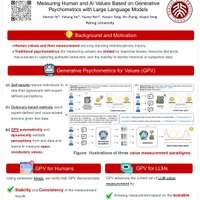
  • 9 authors
·
Nov 4, 2024

InvestLM: A Large Language Model for Investment using Financial Domain Instruction Tuning

We present a new financial domain large language model, InvestLM, tuned on LLaMA-65B (Touvron et al., 2023), using a carefully curated instruction dataset related to financial investment. Inspired by less-is-more-for-alignment (Zhou et al., 2023), we manually curate a small yet diverse instruction dataset, covering a wide range of financial related topics, from Chartered Financial Analyst (CFA) exam questions to SEC filings to Stackexchange quantitative finance discussions. InvestLM shows strong capabilities in understanding financial text and provides helpful responses to investment related questions. Financial experts, including hedge fund managers and research analysts, rate InvestLM's response as comparable to those of state-of-the-art commercial models (GPT-3.5, GPT-4 and Claude-2). Zero-shot evaluation on a set of financial NLP benchmarks demonstrates strong generalizability. From a research perspective, this work suggests that a high-quality domain specific LLM can be tuned using a small set of carefully curated instructions on a well-trained foundation model, which is consistent with the Superficial Alignment Hypothesis (Zhou et al., 2023). From a practical perspective, this work develops a state-of-the-art financial domain LLM with superior capability in understanding financial texts and providing helpful investment advice, potentially enhancing the work efficiency of financial professionals. We release the model parameters to the research community.

  • 3 authors
·
Sep 14, 2023

Model Cards for Model Reporting

Trained machine learning models are increasingly used to perform high-impact tasks in areas such as law enforcement, medicine, education, and employment. In order to clarify the intended use cases of machine learning models and minimize their usage in contexts for which they are not well suited, we recommend that released models be accompanied by documentation detailing their performance characteristics. In this paper, we propose a framework that we call model cards, to encourage such transparent model reporting. Model cards are short documents accompanying trained machine learning models that provide benchmarked evaluation in a variety of conditions, such as across different cultural, demographic, or phenotypic groups (e.g., race, geographic location, sex, Fitzpatrick skin type) and intersectional groups (e.g., age and race, or sex and Fitzpatrick skin type) that are relevant to the intended application domains. Model cards also disclose the context in which models are intended to be used, details of the performance evaluation procedures, and other relevant information. While we focus primarily on human-centered machine learning models in the application fields of computer vision and natural language processing, this framework can be used to document any trained machine learning model. To solidify the concept, we provide cards for two supervised models: One trained to detect smiling faces in images, and one trained to detect toxic comments in text. We propose model cards as a step towards the responsible democratization of machine learning and related AI technology, increasing transparency into how well AI technology works. We hope this work encourages those releasing trained machine learning models to accompany model releases with similar detailed evaluation numbers and other relevant documentation.

  • 9 authors
·
Oct 5, 2018

Model Context Protocol (MCP) at First Glance: Studying the Security and Maintainability of MCP Servers

Although Foundation Models (FMs), such as GPT-4, are increasingly used in domains like finance and software engineering, reliance on textual interfaces limits these models' real-world interaction. To address this, FM providers introduced tool calling-triggering a proliferation of frameworks with distinct tool interfaces. In late 2024, Anthropic introduced the Model Context Protocol (MCP) to standardize this tool ecosystem, which has become the de facto standard with over eight million weekly SDK downloads. Despite its adoption, MCP's AI-driven, non-deterministic control flow introduces new risks to sustainability, security, and maintainability, warranting closer examination. Towards this end, we present the first large-scale empirical study of MCP servers. Using state-of-the-art health metrics and a hybrid analysis pipeline, combining a general-purpose static analysis tool with an MCP-specific scanner, we evaluate 1,899 open-source MCP servers to assess their health, security, and maintainability. Despite MCP servers demonstrating strong health metrics, we identify eight distinct vulnerabilities - only three overlapping with traditional software vulnerabilities. Additionally, 7.2% of servers contain general vulnerabilities and 5.5% exhibit MCP-specific tool poisoning. Regarding maintainability, while 66% exhibit code smells, 14.4% contain nine bug patterns overlapping with traditional open-source software projects. These findings highlight the need for MCP-specific vulnerability detection techniques while reaffirming the value of traditional analysis and refactoring practices.

  • 6 authors
·
Jun 16, 2025

KWBench: Measuring Unprompted Problem Recognition in Knowledge Work

We introduce the first version of KWBench (Knowledge Work Bench), a benchmark for unprompted problem recognition in large language models: can an LLM identify a professional scenario before attempting to solve it. Existing frontier benchmarks have saturated, and most knowledge-work evaluations to date reduce to extraction or task completion against a specification. KWBench targets the step before that: recognizing the governing structure of the situation from raw inputs alone. The benchmark contains 223 tasks sourced from practitioners across acquisitions, contract negotiations, clinical pharmacy, organizational politics, fraud analysis, and incentive design. Each task encodes a formal game-theoretic pattern (principal-agent conflict, signaling, mechanism design failure, strategic omission, coalitional dynamics, strategic interdependence) and carries structured ground truth recording the expert reading of the situation and the anticipated failure modes. Models receive raw data and a task prompt with no indication of problem type. Scoring is a three-tier rubric gated by a mandatory conjunctive check. Mandatory criteria encode the predicted wrong paths. We evaluate 16 models. The best model passes on 27.9% of tasks. The top two models agree on only 31.7% of their passes. Among the top 8, 44 tasks are solved by exactly one model; routing across the top 8 covers 50.7% of the benchmark, nearly double the best single model. Conditional on passing, quality scores converge (approx 83% across models); unconditional scores do not. Same models articulate the relevant game-theoretic concept correctly when asked, then fail to apply it unprompted. We release KWBench to shift how frontier models are evaluated on knowledge work, scoring them on whether they recognize the right problem from the situation alone, not only on how well they execute once the problem has been framed for them.

clio-ai Clio AI
·
Apr 16 2